
STEP 2 - The Power of Cover Crops in Our Growing Methods
Growing premium, craft-grown CBD flower requires more than just planting seeds and waiting for harvest. It demands a thoughtful approach to soil health, pest management, and sustainability. One of the most effective steps in our cultivation process is the use of cover crops. This method plays a vital role in building strong, healthy plants and maintaining the quality our customers expect.
Step 2 of our 6 Step Growing Methodology is: The Power of Cover Crops. Cover crops are plants grown primarily to benefit the soil rather than for harvest. They protect and enrich the soil, reduce erosion, and improve nutrient cycling. In this post, I’ll share why cover crops are essential in our growing methods and how they contribute to producing top-quality CBD flower.

Why We Use Cover Crops in Our Growing Process
Cover crops offer many benefits that directly impact the health of our cannabis plants. Here are some key reasons why we focus on this step:
Soil Protection
Cover crops shield the soil from wind and water erosion. This keeps the soil structure intact and prevents valuable topsoil from washing away during heavy rains.
Nutrient Enrichment
Certain cover crops, like legumes, fix nitrogen in the soil. This natural fertilization reduces the need for synthetic inputs and supports organic growing practices.
Weed Suppression
Cover crops compete with weeds for sunlight and nutrients. This lowers weed pressure and reduces the need for herbicides.
Improved Soil Structure
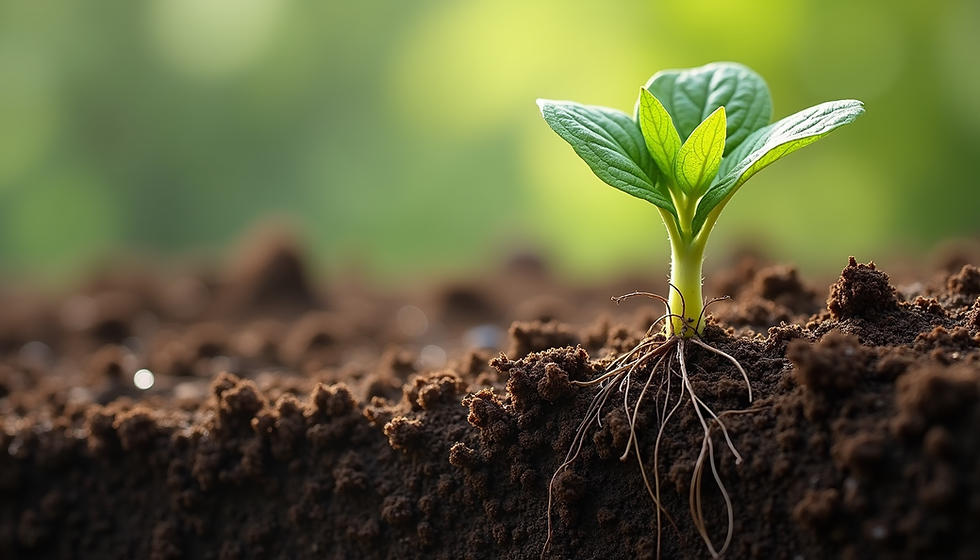
Roots of cover crops create channels in the soil, improving aeration and water infiltration. This helps roots of cannabis plants grow deeper and stronger.
Pest and Disease Management
Some cover crops attract beneficial insects or release natural compounds that deter pests and diseases.
By integrating cover crops into our growing cycle, we create a healthier environment for our CBD flower to thrive.
Types of Cover Crops We Use and Why
We select cover crops based on their specific benefits and how they fit into our crop rotation. Here are a few examples:
Hairy Vetch / Lentils / Peas
A legume that fixes nitrogen and adds organic matter to the soil. It grows quickly and provides excellent ground cover.
Winter Rye
A hardy grass that protects soil over winter. It has deep roots that break up compacted soil and scavenge leftover nutrients.
Crimson Clover
Another nitrogen-fixing legume that blooms with bright red flowers, attracting pollinators and beneficial insects.
Buckwheat / Oats
Grows fast and smothers weeds. It also attracts pollinators and helps with phosphorus availability in the soil.
Each of these cover crops plays a role in building soil fertility and structure, which supports the growth of healthy cannabis plants.
How Cover Crops Fit Into Our Growing Cycle
We plant cover crops during the off-season or interseeded with our CBD crops. The timing of offseason cover crops allow them to grow and improve the soil without competing with our main crop. For interseeded cover crops, we typically seed them in between the CBD plant rows, seeding between 3 and 4 weeks after we transplant into the field. This timing allows us to fix nitrogen into the soil, at the same time the CBD plants themselves are extracting it from the soil, creating a balanced nitrogen cycle to ensure we don't deplete the soil during the growing season.
Once the cover crops have matured, we either mow them down or till them into the soil. This process adds organic matter and nutrients back into the ground. It also helps break disease cycles by interrupting pest habitats.
Using cover crops is a natural way to prepare the soil for the next round of CBD plants. .

The Impact of Cover Crops on CBD Flower Quality
Healthy soil leads to healthy plants. Cover crops improve soil conditions, which in turn supports the growth of robust CBD plants with strong root systems. This results in:
Higher yields of CBD flower
Better cannabinoid and terpene profiles
Reduced pest and disease problems
Cleaner, chemical-free crops
In our experience, cover crops are a key factor in producing premium CBD flower that meets the high standards of licensed retailers and medical providers.

Final Thoughts on the Power of Cover Crops
Cover crops are more than just plants in the field. They are a powerful tool that supports sustainable farming and premium CBD production. By protecting and enriching the soil, cover crops help us grow high-quality CBD flower that customers trust.
Taking care of the soil means taking care of the plants. Cover crops are a simple, natural way to do just that.


Comments